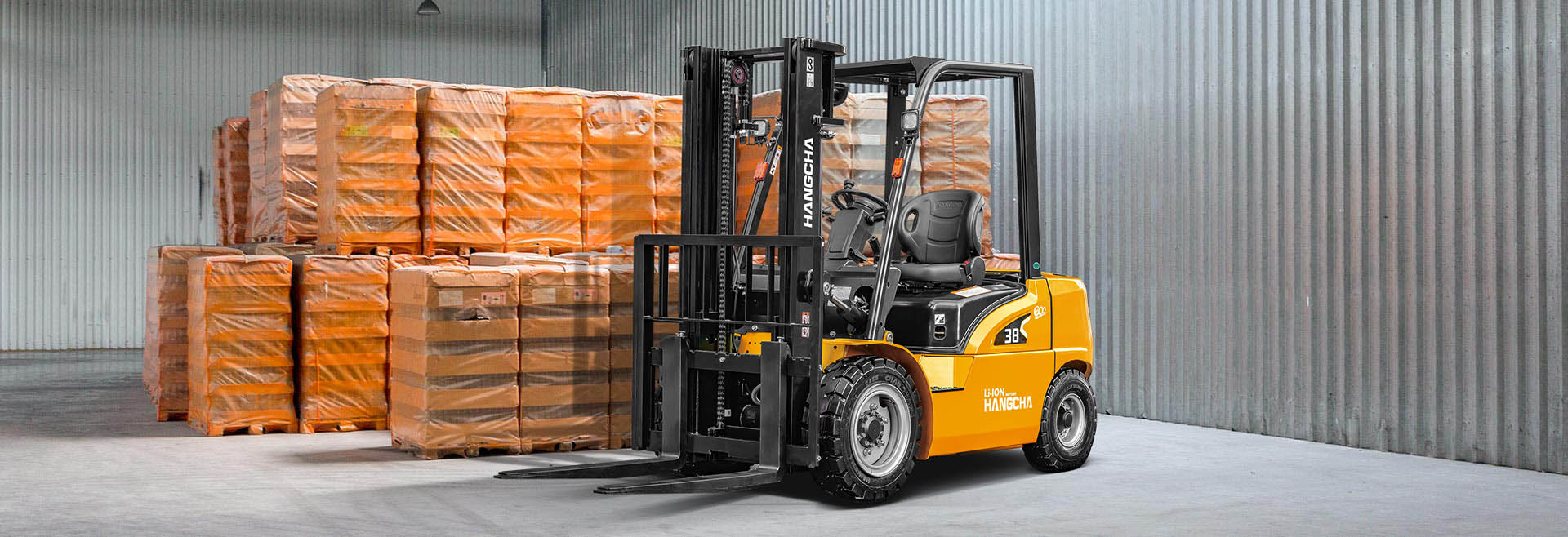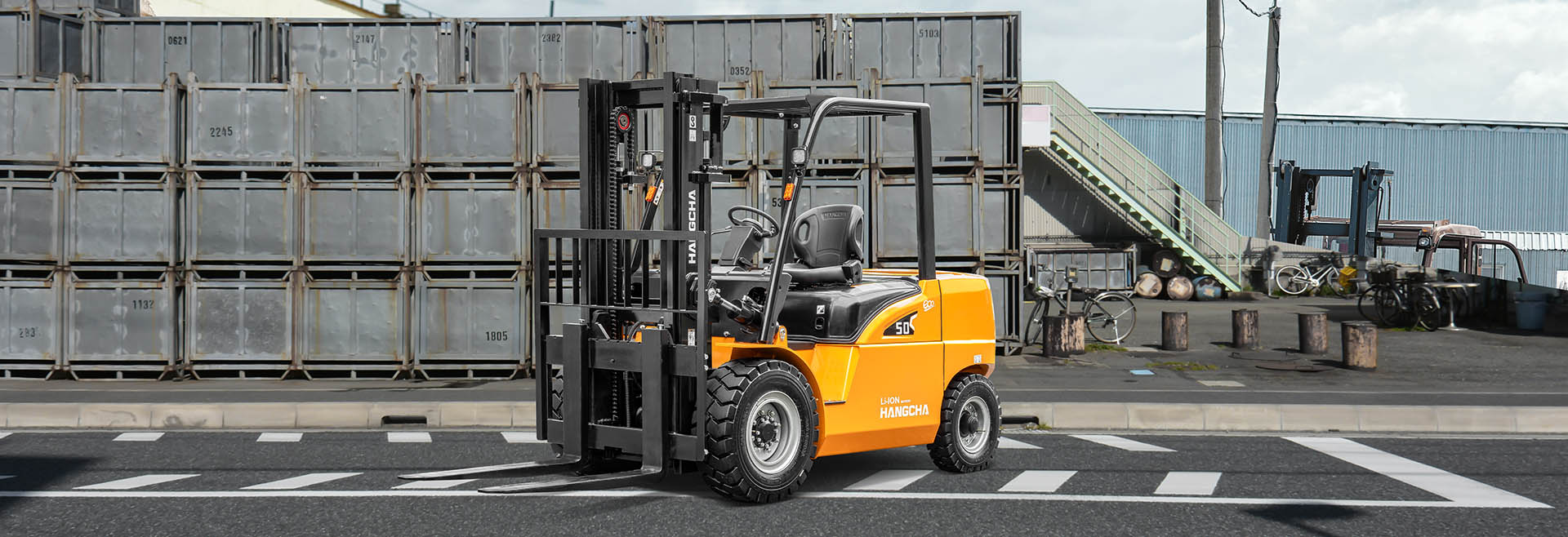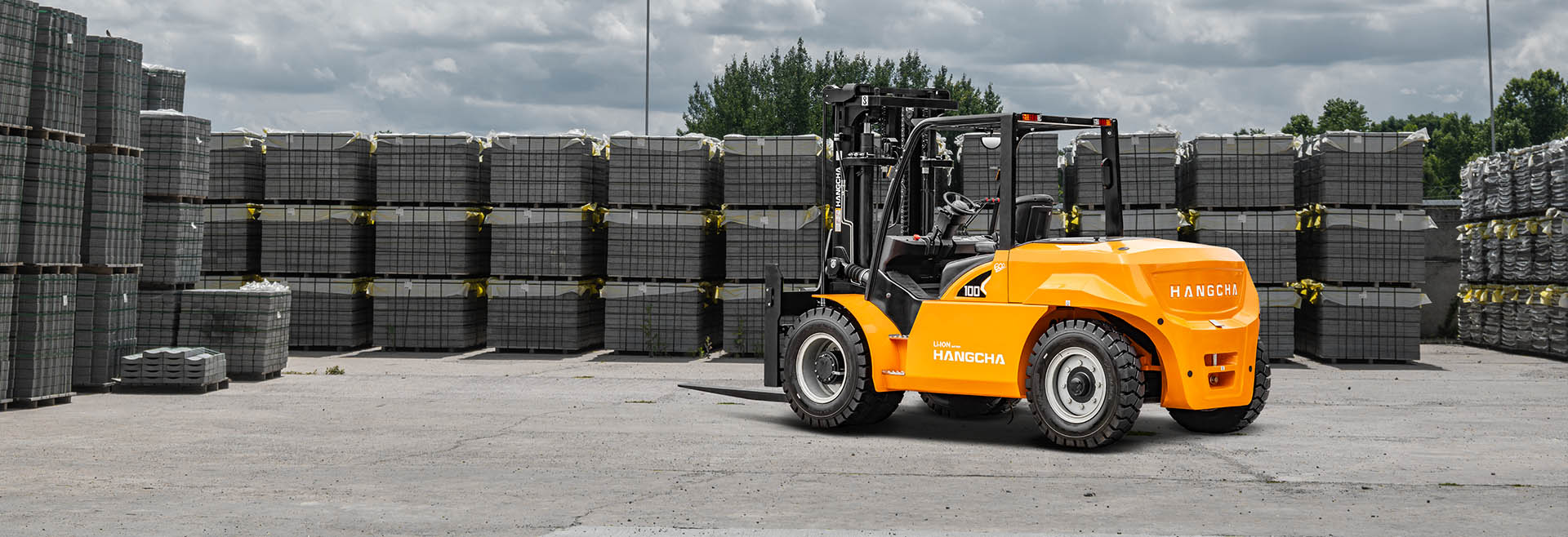
XH Series High-Voltage Lithium Forklift
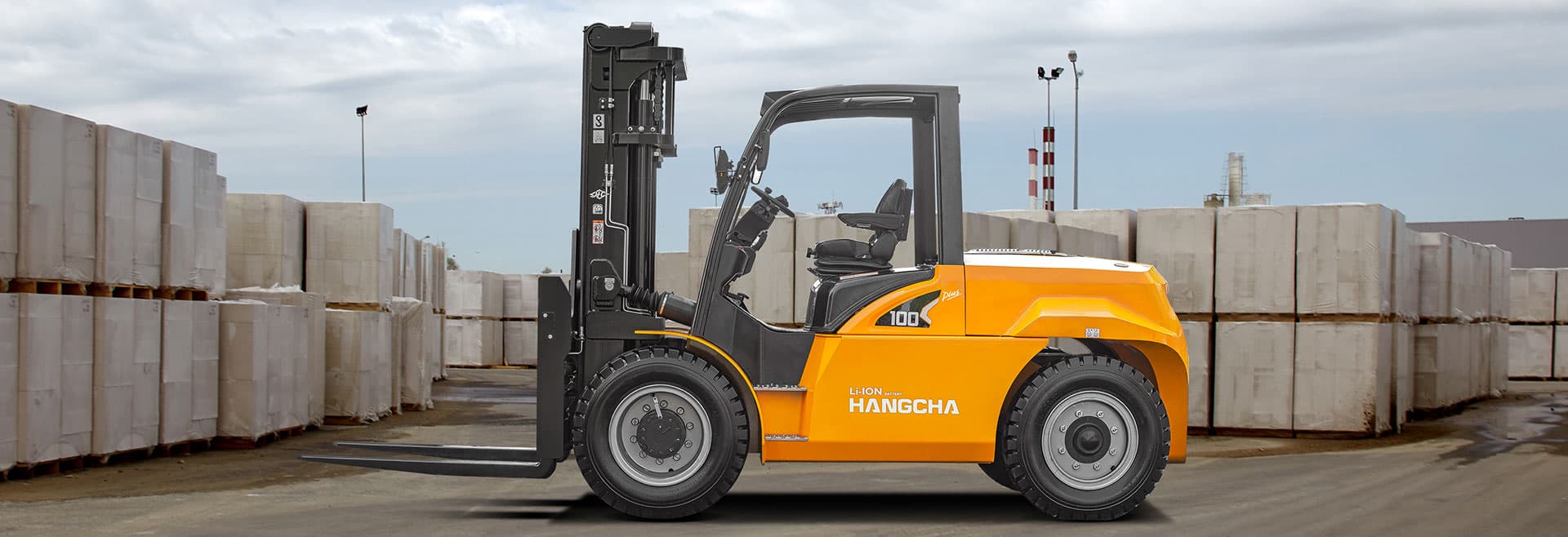
The Hangcha XH Series 6.0-10.0t is a high-voltage electric counterbalanced forklift offering a 10,000kg load capacity and a 7,000mm lift height, designed with an automotive-grade voltage platform compatible with standard passenger car charging piles.
Engineered to completely replace heavy internal combustion (IC) trucks in industrial yards, the Hangcha XH Series 6.0-10.0t High-Voltage Lithium Forklift delivers unyielding mechanical torque. Equipped with an automotive-grade electrical system, it charges directly from passenger electric vehicle chargers, saving cost on special charging gear. The standard hydraulic mast buffering system cushions fork movement, protecting delicate cargo from sudden shocks and preserving warehouse floor coatings.
Key Features
- Automobile Charger Match: Direct compatibility with commercial EV charging stations to save on custom converter units.
- HV Protection System: Standard vehicle-grade safety circuits including insulation monitoring and MSD switch.
- Mast Travel Buffering: Standard descending buffer valve designed to soften fork landing impact on flooring.
- Clear Operator Window: Layout engineered with high visibility margins to support safe, heavy-duty container docks.
How does the charging pile compatibility benefit high-voltage forklift fleets?
The XH 6.0-10.0t series operates on an automotive-voltage platform. This enables direct compatibility with public or private electric passenger car chargers. Fleet managers can leverage existing industrial EV charging stations without purchasing expensive custom voltage converters or dedicating separate parking docks.
Technical Specifications
| Load Capacity | 6,000~10,000kg |
| Lift Height | 0~7,000mm |
| Drive Type | High-Voltage Li-Ion |
Featuring integrated high-voltage interlock safety mechanisms, the XH Series is compliant with global machinery directives. Shipping hub consultants state: "The direct compatibility of the Hangcha XH 10-ton series with standard automotive charging piles represents a strategic shortcut for terminals transitioning to zero-emission operations."